Zero Trust vs Traditional Network Security: Key Differences Explained
Zero Trust vs traditional network security compared: trust model, access, VPN, lateral movement and cloud fit, plus where perimeter controls still matter.



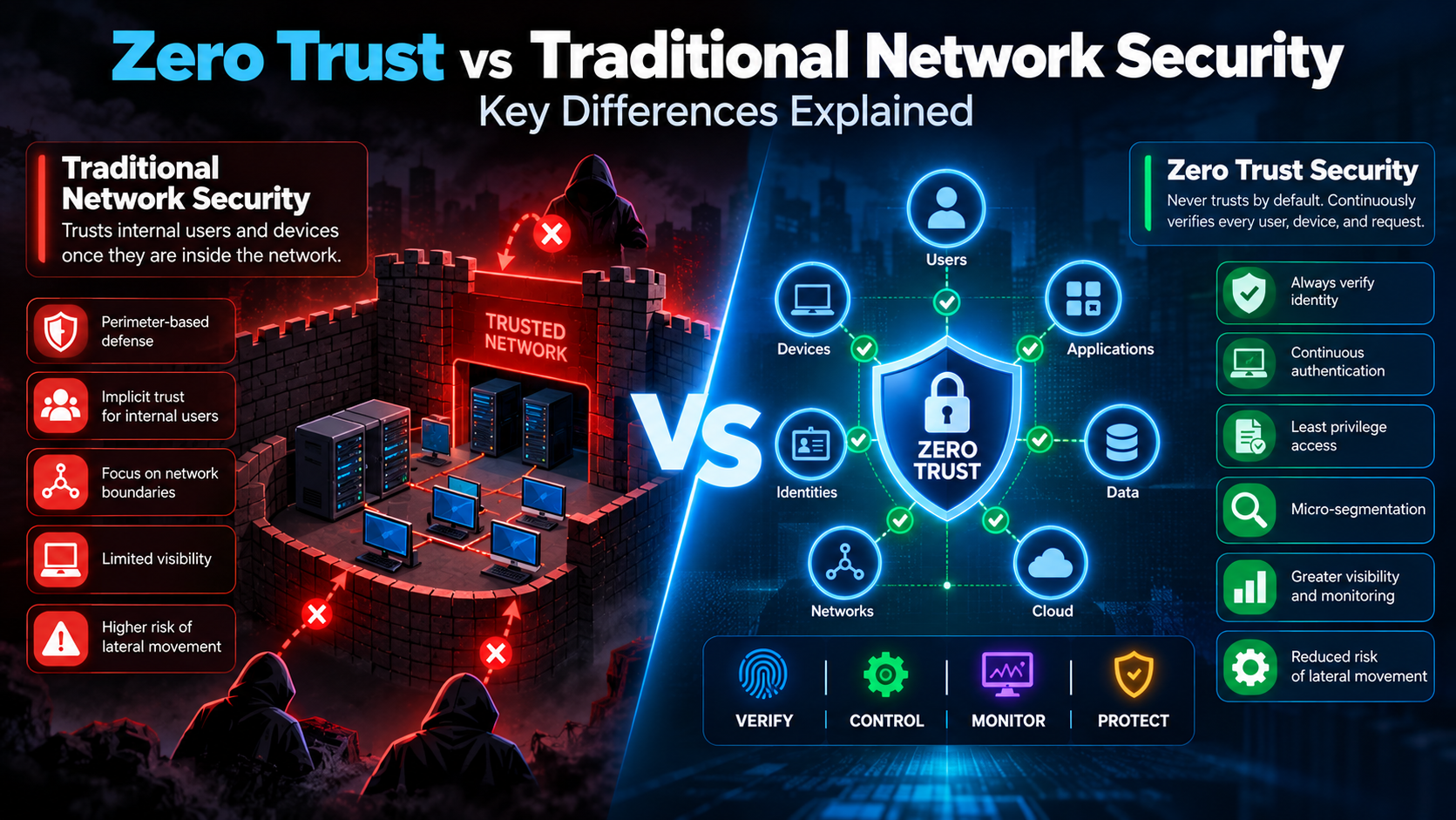
Zero Trust vs traditional network security compared: trust model, access, VPN, lateral movement and cloud fit, plus where perimeter controls still matter.
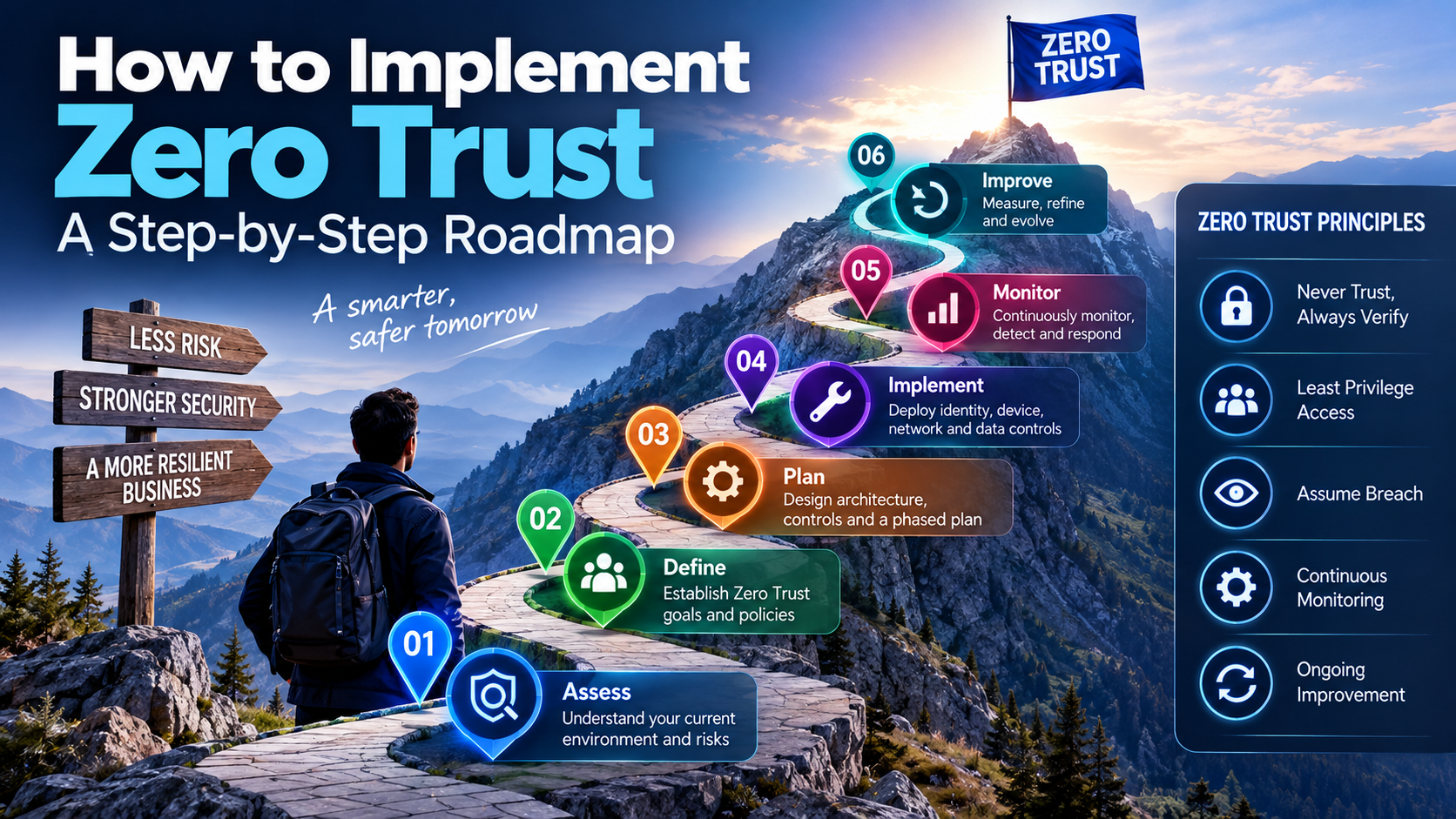
How to implement Zero Trust step by step: protect surface, identity, device trust, per-application access, data controls, 90-day quick wins and a sample timeline.

Zero Trust security architecture explained: NIST SP 800-207 tenets, policy engine and enforcement points, CISA’s five pillars, deployment models and real-world design.

Privileged access management best practices: account discovery, least privilege, just-in-time access, vaulting, session recording, service accounts and a PAM roadmap.
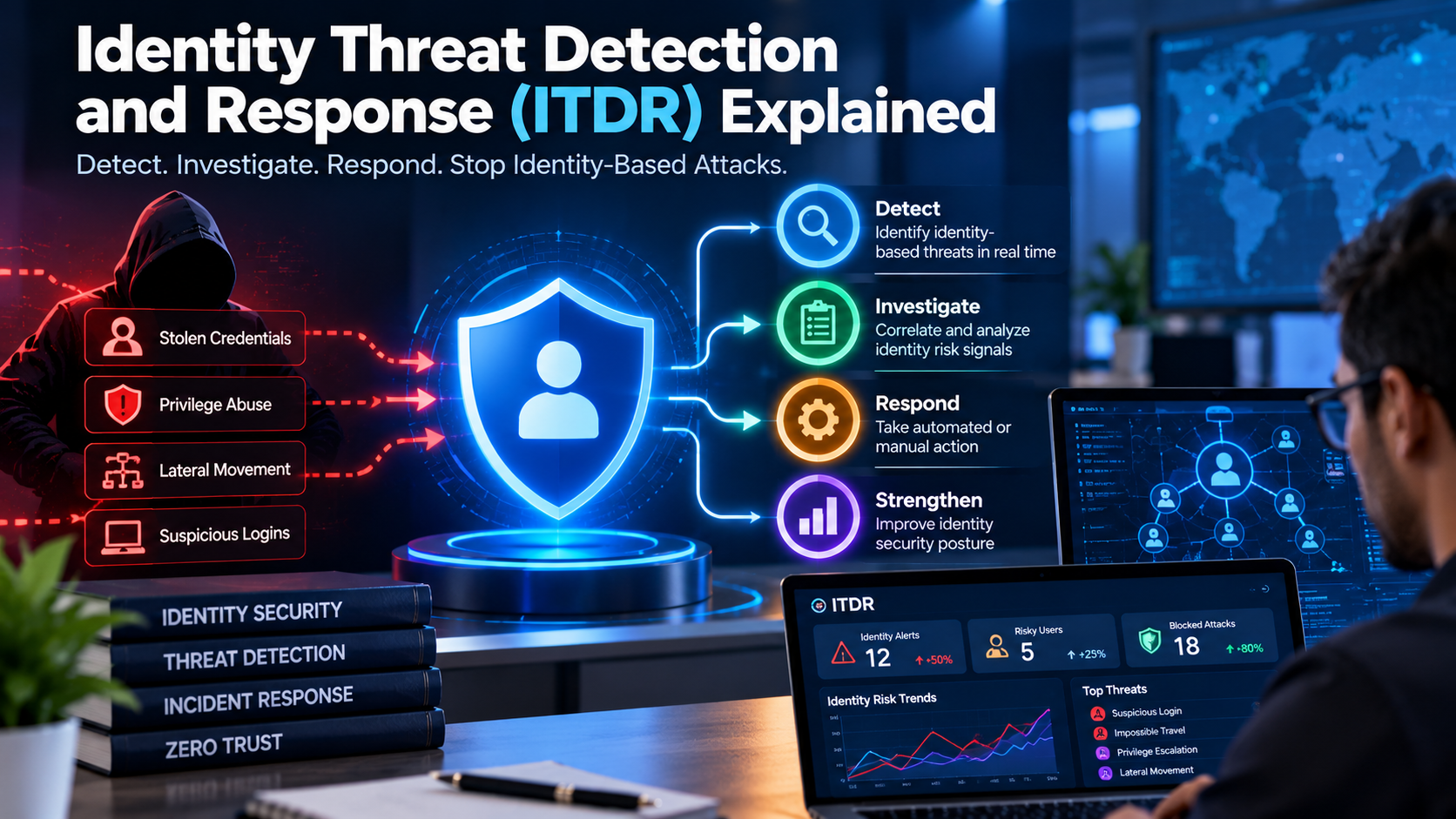
What Identity Threat Detection and Response (ITDR) is, the identity attacks it detects, how it compares with EDR, XDR and SIEM, and how to build ITDR capability.

Passwordless authentication explained: how passkeys and FIDO2 work, which methods resist phishing, limitations to plan for, and a step-by-step adoption plan.
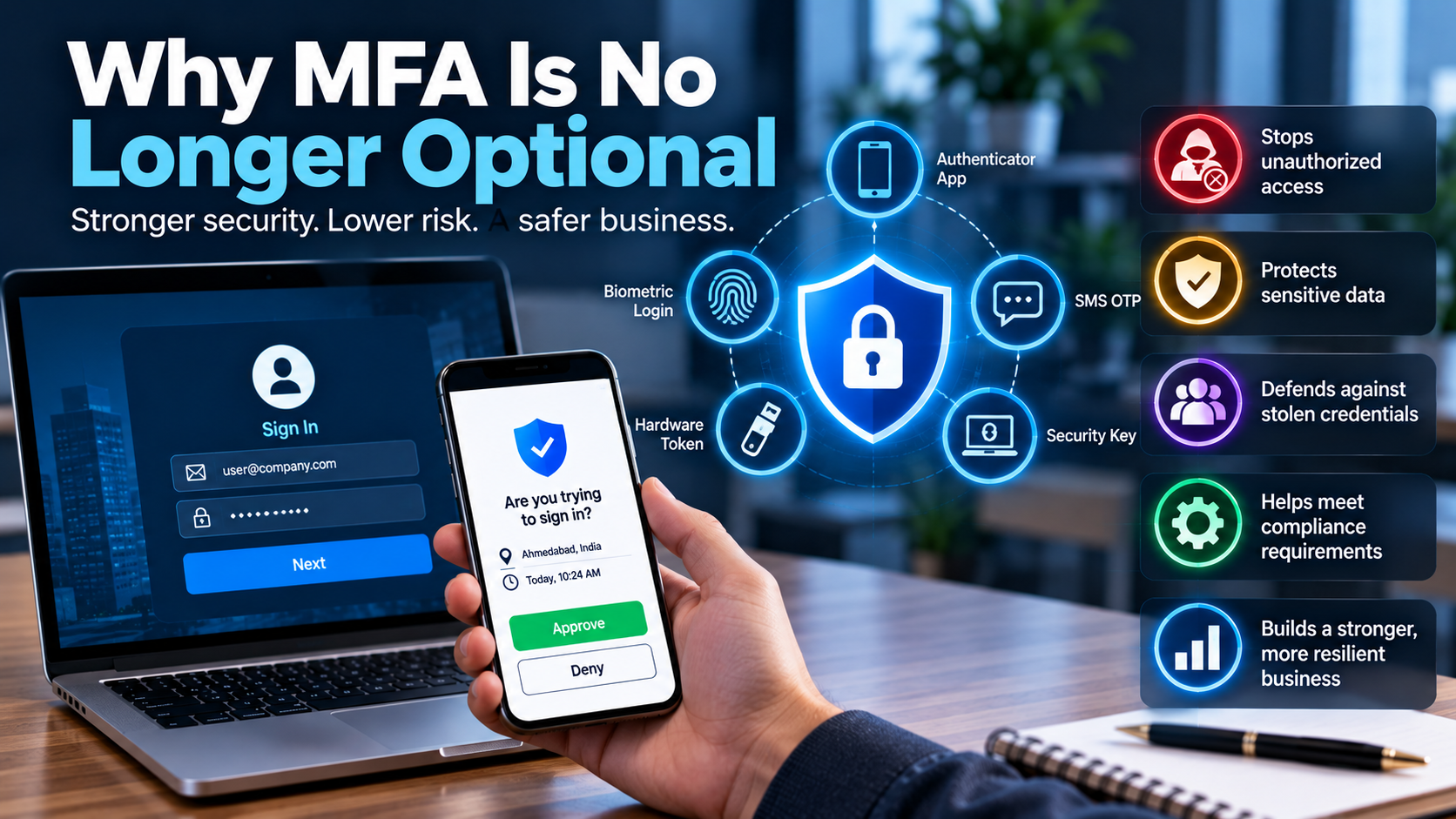
Why multi-factor authentication is now a baseline control, how attackers bypass weak MFA, which methods resist phishing, and how to roll MFA out successfully.
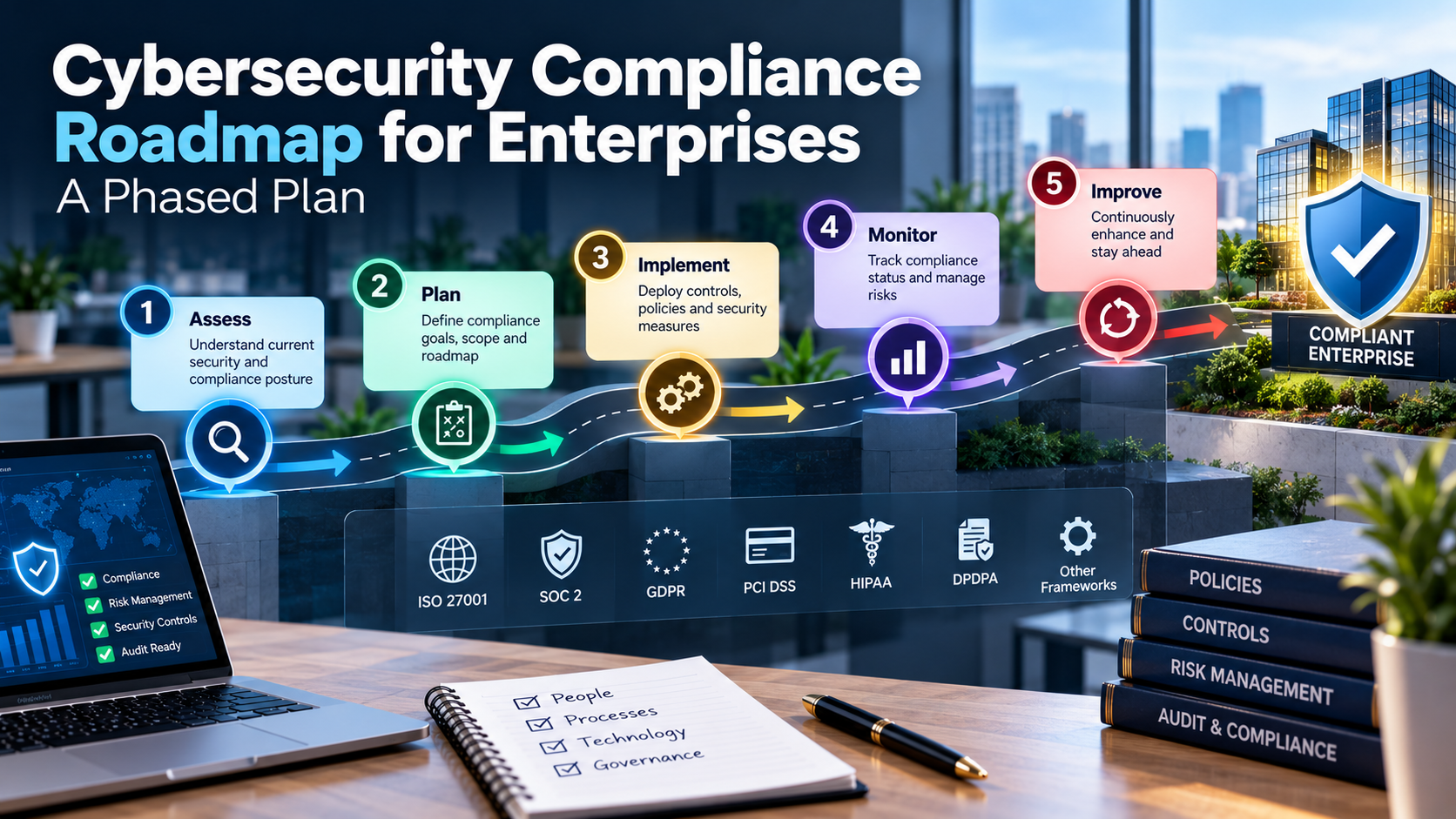
Build a cybersecurity compliance roadmap for enterprises: obligations register, common control framework, phased plan for ISO 27001, SOC 2, PCI DSS and privacy laws.
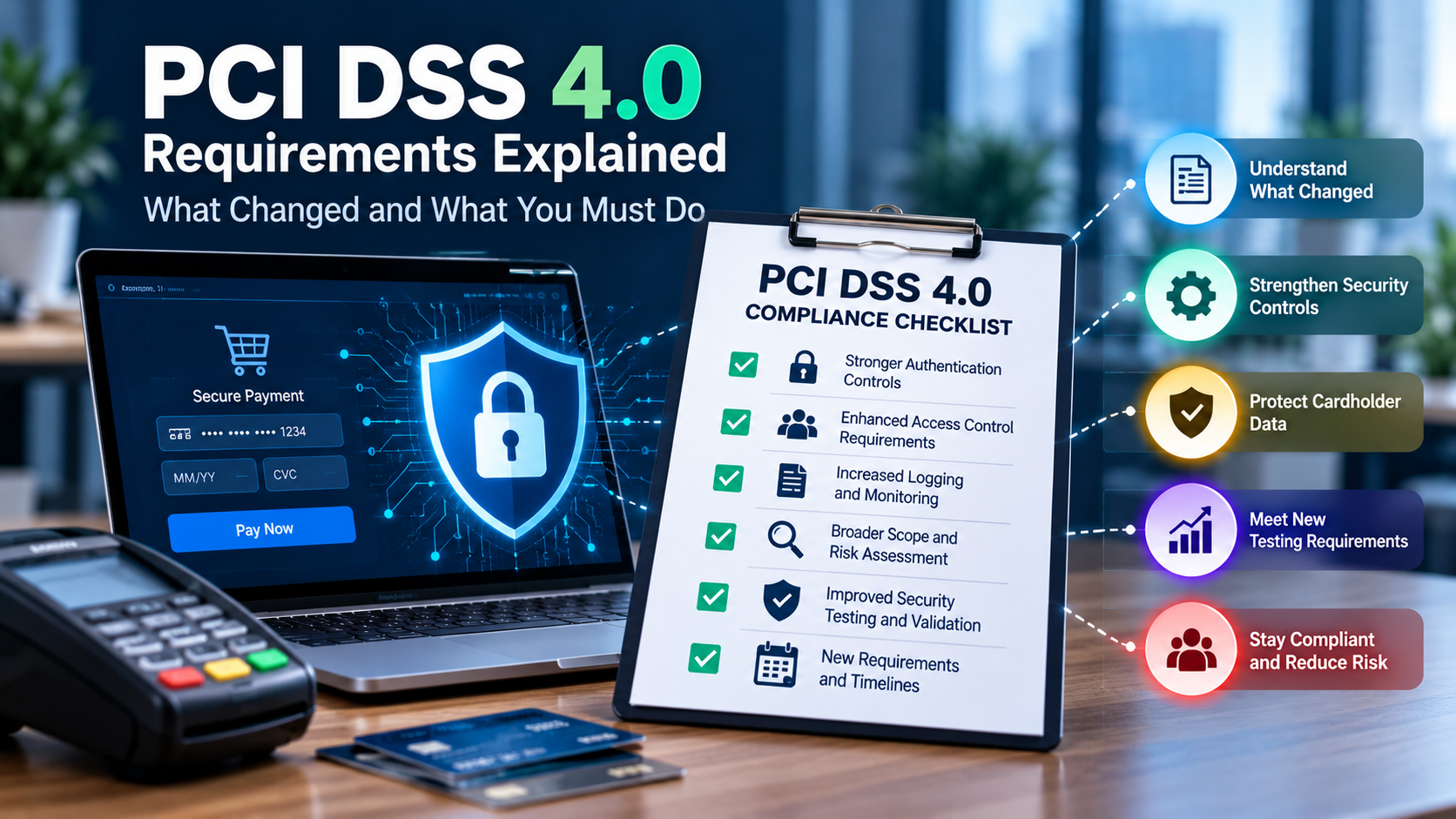
PCI DSS 4.0 requirements explained: the 12 core requirements, key v4 changes like MFA, script management and tamper detection, testing rules and compliance steps.

How growing businesses can scale GDPR compliance: data mapping, lawful bases, DSARs, vendors, transfers, breach reporting and a program that grows with you.