


At Securis360, we offer expert Information Technology General Controls (ITGC) services to ensure the integrity, security, and reliability of your IT systems. ITGCs are internal controls that guarantee your IT systems perform securely and reliably, especially when connected to critical financial systems. Effective ITGCs are essential for any organization, as they support the proper functioning of application controls and IT-dependent manual controls. Without robust ITGCs, you cannot rely on these application controls, and additional procedures may be required to mitigate risks, often limiting the efficiency of your controls.
Our ITGC services help businesses maintain compliance with various operational and regulatory audits, ensuring that your IT systems meet industry standards and avoid security breaches or operational disruptions.
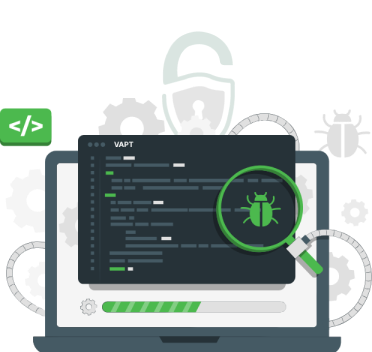
Securis360 conducts comprehensive internal audits to assess the design and effectiveness of your ITGCs. We evaluate your IT controls, identifying areas for improvement and providing management with detailed reports on the performance and security of your systems. Our audits ensure that your ITGCs are effective and compliant with industry standards, helping you mitigate risks and achieve operational efficiency.
We offer certification programs for internal auditors to ensure they have the technical skills needed to conduct IT-related audits. Our programs focus on the latest ITGC standards, ensuring your team is fully equipped to assess and maintain your ITGC framework effectively. With certified auditors, your organization can confidently rely on internal audits to meet compliance requirements.
We assist businesses in meeting ITGC compliance standards across various industries. Our ITGC compliance services help you implement and maintain essential controls such as data security, access management, and incident response. Our experts guide you through compliance assessments, audits, and remediation processes to ensure your IT systems meet regulatory requirements.
Ensure that your IT systems are secure, reliable, and compliant with regulatory standards by partnering with Securis360 for your ITGC needs. Our comprehensive services are designed to help you maintain operational excellence and protect your sensitive data.
An IT General Controls (ITGC) Audit is an assessment of IT systems, processes, and security controls to ensure confidentiality, integrity, availability, and compliance of organizational technology environments.
ITGC Audits help organizations:
IT General Controls are foundational security and operational controls that govern IT infrastructure, systems, applications, and data management processes.
The purpose is to evaluate whether IT controls effectively protect systems, applications, networks, and business data from security, operational, and compliance risks.
Organizations commonly requiring ITGC Audits include:
Typical ITGC Audit areas include:
ITGC focuses on overall IT infrastructure and governance controls, while application controls focus on security and accuracy within specific applications.
ITGC Audits are commonly performed:
ITGC Audits commonly align with:
ITGC controls help reduce risks related to unauthorized access, data breaches, operational failures, and insider threats.
Access control ensures only authorized users can access systems, applications, and sensitive data.
User access management controls how users are created, modified, reviewed, and removed from systems and applications.
Least privilege ensures users only receive the minimum access necessary to perform their job functions.
PAM protects high-level administrative accounts and sensitive system privileges from misuse or compromise.
Segregation of duties prevents one individual from having excessive control over critical processes or systems.
Multi-Factor Authentication strengthens login security and reduces unauthorized access risks.
Identity governance manages user identities, roles, permissions, and access reviews across the organization.
Periodic access reviews validate whether users still require assigned access permissions.
Yes. ITGC Audits commonly identify weak authentication, excessive permissions, and poor access management practices.
Change management controls how system, application, and infrastructure changes are approved, tested, and implemented.
Poor change management can introduce security vulnerabilities, downtime, and operational disruptions.
Emergency change management handles urgent system changes while maintaining security and approval controls.
Software Development Life Cycle (SDLC) controls ensure applications are securely designed, tested, and deployed.
Backup management ensures critical systems and data are regularly backed up and recoverable during incidents.
Disaster recovery helps organizations restore operations after cyberattacks, outages, or disasters.
Business continuity planning ensures critical operations continue during disruptions or security incidents.
Recovery testing validates whether systems and backups can be restored successfully during emergencies.
Security monitoring detects suspicious activity, policy violations, and cyber threats affecting IT systems.
Log management collects, stores, and analyzes security and operational logs for monitoring and auditing purposes.
Incident management defines processes for detecting, investigating, containing, and resolving IT and security incidents.
Vulnerability management identifies and remediates security weaknesses in systems, applications, and infrastructure.
Patch management ensures systems and applications receive timely security updates and fixes.
Yes. ITGC controls apply to AWS, Azure, Google Cloud, SaaS applications, and hybrid cloud environments.
Cloud ITGC Audit evaluates cloud security governance, access control, logging, backup management, and compliance controls.
Network security protects systems and data through firewalls, segmentation, VPNs, IDS/IPS, and monitoring controls.
Endpoint security protects laptops, servers, desktops, and mobile devices from cyber threats and unauthorized access.
Yes. ITGC Audits strengthen governance, access management, monitoring, and operational security controls.
Yes. ITGC controls are critical for SOX compliance and financial reporting integrity.
ITGC controls support SOC 2 requirements related to security, availability, confidentiality, and operational governance.
IT audit evidence includes logs, screenshots, configurations, approvals, reports, and policy documentation used during audits.
Major trends include:
Yes. ITGC controls help startups improve governance, security maturity, and enterprise customer trust.
Popular certifications include:
Yes. Strong IT governance and cybersecurity controls improve organizational risk posture.
Organizations handling sensitive data, regulated operations, financial reporting, or enterprise systems should regularly conduct ITGC Audits.
Look for: