


If you’ve ever gone through a SOC 2 audit, you know the pattern. Months of scrambling. Chasing screenshots. Updating policies last minute. Then repeating the same cycle next year.
That model is fading.
Today, companies are moving toward continuous compliance, where you stay audit-ready all the time instead of preparing once a year. This shift is where Drata has become a go-to platform.
Let’s break down how it actually works in practice, without the fluff.
What “Always Audit-Ready” Really Means
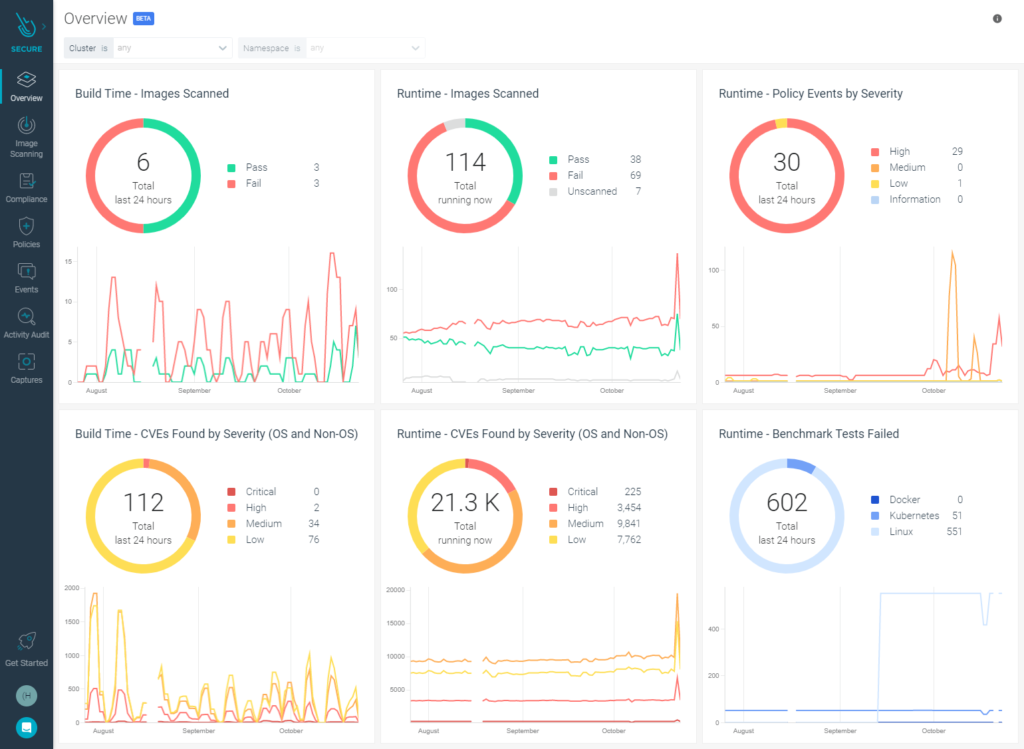
Being audit-ready doesn’t mean you passed an audit once. It means:
- Your controls are continuously monitored
- Evidence is collected automatically
- Risks are flagged in real time
- Documentation stays up to date without manual effort
This aligns directly with the principles of SOC 2, especially for Type 2 audits where consistency over time matters.
The Problem with Traditional SOC 2 Compliance
Before tools like Drata, compliance looked like this:
- Manual screenshots and spreadsheets
- One-time control checks
- Last-minute policy updates
- Heavy reliance on consultants
The issue is simple: compliance becomes reactive instead of proactive.
This creates risk. Controls may pass during the audit but fail silently the rest of the year.
How Drata Enables Continuous SOC 2 Compliance
1. Automated Evidence Collection
Drata connects directly with your stack. Think AWS, GitHub, Google Workspace, HR tools.
Instead of collecting evidence manually, it:
- Pulls data automatically
- Logs activities continuously
- Maps evidence to controls
This removes one of the biggest bottlenecks in SOC 2 audits.
👉 Example: Instead of taking monthly access control screenshots, Drata tracks it continuously.
2. Real-Time Control Monitoring
Drata doesn’t just collect data. It actively monitors your controls.
If something breaks, like:
- MFA disabled
- Employee missing security training
- Misconfigured cloud setting
You get alerts instantly.
This shifts compliance from audit preparation → daily operations.
3. Built-In Policy & Framework Mapping
Drata comes with pre-built templates aligned with SOC 2 requirements.
You don’t start from scratch. Instead, you:
- Customize policies
- Map controls automatically
- Align with multiple frameworks (SOC 2, ISO 27001, etc.)
This is especially useful for startups that don’t have a dedicated compliance team.
4. Continuous Risk Management
Drata helps you maintain a live risk register.
It tracks:
- Vendor risks
- Internal vulnerabilities
- Control gaps
And updates them dynamically.
This is critical because SOC 2 auditors increasingly focus on risk-based compliance, not just checkbox completion.
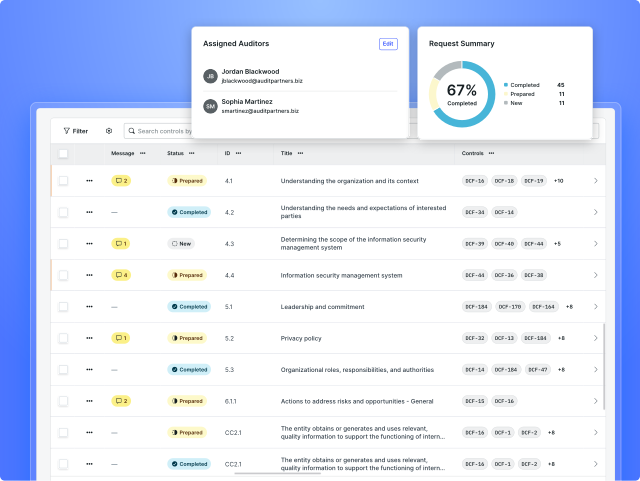
5. Audit-Ready Reporting & Auditor Collaboration
When audit time comes, you don’t scramble.
Drata provides:
- Pre-mapped evidence
- Organized control logs
- Direct auditor access
Some companies reduce audit prep time by 50–70% using this approach.
6. Trust Center for Sales & Transparency
This is where compliance meets growth.
Drata allows you to create a Trust Center, where prospects can:
- View your SOC 2 status
- Access security documents
- Reduce back-and-forth during sales
For SaaS companies, this directly impacts deal velocity.
Key Benefits of Using Drata for SOC 2
- Always audit-ready instead of once a year
- Reduced manual work and human error
- Faster audits with better evidence quality
- Improved security posture
- Stronger trust with customers
Is Drata Right for You?
Drata is a strong fit if you:
- Are a SaaS or tech-enabled company
- Need SOC 2 Type 1 or Type 2
- Want to scale compliance without hiring a large team
- Care about both security and sales enablement
It may be overkill if you’re a very small business with no compliance requirements yet.
Final Thoughts
SOC 2 compliance is no longer just about passing an audit. It’s about proving trust continuously.
Platforms like Drata are changing how companies approach compliance by making it part of everyday operations.
If you adopt this model, audits stop being stressful events and become just another checkpoint.